
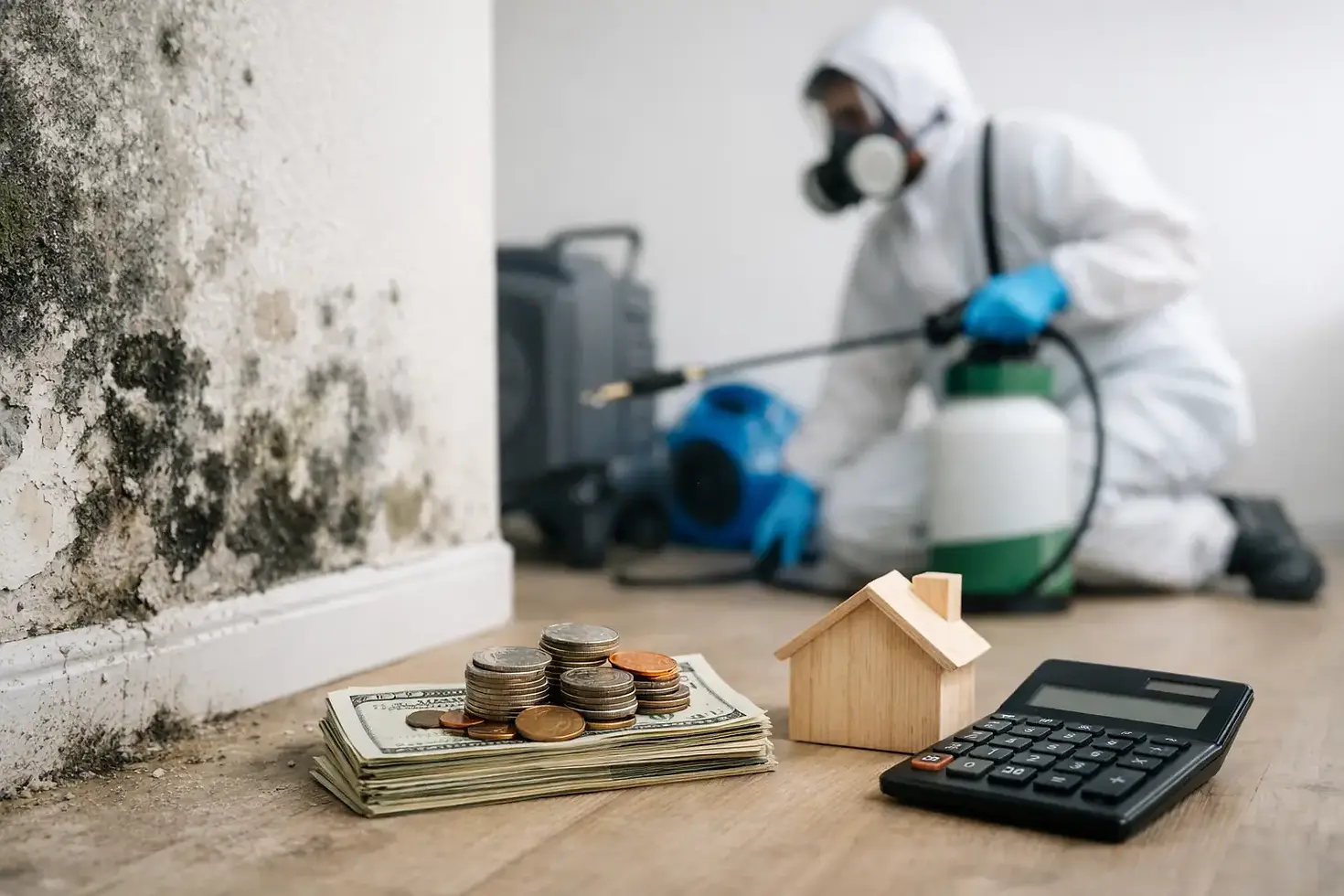
Mold Removal and Remediation Cost Explained
A small patch of mold behind a bathroom vanity can be one price. Hidden growth inside walls, under flooring, or throughout a crawlspace is something else entirely. That is why mold removal and remediation cost can vary so much from one property to the next, and why quick, informed action matters.
For homeowners, landlords, and property managers, the real question is not just what mold cleanup costs. It is what you are paying for, what can make the bill rise, and how to avoid spending more by waiting. In many cases, mold is not just a cleaning issue. It is a moisture problem, a health concern, and a property value risk all at once.
What mold remediation is really paying for
When people hear the word removal, they often picture a crew spraying a surface and wiping mold away. True remediation is more disciplined than that. The goal is to identify the moisture source, contain affected areas, remove damaged materials when needed, clean contaminated surfaces, dry the structure, and help prevent the problem from returning.
That process is what drives cost. You are not only paying for labor. You are paying for containment, protective equipment, air filtration, demolition when necessary, drying equipment, disposal, cleaning methods that fit the material and condition, and in some cases reconstruction after the contaminated materials are removed.
A low quote can sound attractive until it leaves moisture behind or skips containment. That can spread spores to other areas of the home and create a more expensive problem later.
Average mold removal and remediation cost ranges
In residential properties, smaller and more contained mold jobs may cost a few hundred to a few thousand dollars. Moderate projects often fall in the low thousands. Larger remediation involving multiple rooms, HVAC contamination, attics, crawlspaces, or extensive drywall and flooring removal can climb much higher.
A practical way to think about mold removal and remediation cost is by project scope rather than by a one-size-fits-all average. A visible area under a sink is very different from mold caused by a long-term roof leak in an attic, or a slab leak that affected walls, baseboards, and adjacent rooms.
If reconstruction is needed after remediation, that is usually a separate part of the total project cost. Homeowners are sometimes surprised by this. The remediation may address the contamination, but replacing drywall, insulation, cabinets, flooring, or trim adds another layer of work.
What affects mold removal and remediation cost most
The biggest cost factor is usually how far the contamination has spread. Surface growth on non-porous material is generally simpler than mold that has penetrated drywall, insulation, wood framing, carpet padding, or subflooring.
The source of moisture matters too. If the mold is tied to an active leak, poor drainage, high indoor humidity, or past water damage that was never fully dried, that issue has to be corrected. Otherwise the mold can return, and the first cleanup becomes money wasted.
Location also changes the price. Mold in easy-to-access areas is more straightforward than mold in attics, crawlspaces, wall cavities, behind built-ins, or under flooring. Tight access means slower work, more protective setup, and sometimes more demolition just to reach the affected area.
Another major factor is containment. If remediation is being done in an occupied home, near sensitive areas, or in a property that needs to stay transaction-ready for a sale, proper containment and air cleaning become especially important. That adds cost, but it also protects the rest of the property.
Testing can affect the total as well. Not every situation requires pre- or post-remediation testing, but some do. Real estate transactions, disputed conditions, tenant concerns, and larger projects often call for documentation from an independent assessor or industrial hygienist.
Why small mold problems can become expensive fast
Mold often starts in places people do not see right away - behind cabinets, beneath sinks, around window framing, inside wall cavities, under bathroom flooring, or in poorly ventilated attic and crawlspace areas. By the time staining or odor becomes obvious, the affected area may be much larger than it appears.
This is one reason delayed action tends to increase mold removal and remediation cost. The longer moisture stays present, the more likely materials are to break down and require removal. What could have been a limited cleaning and drying job can turn into demolition, disposal, and reconstruction.
For landlords and property managers, delay has another cost. Occupant complaints, unit downtime, and documentation issues can make a relatively contained problem more disruptive than the remediation itself.
Cost differences by area of the home
Bathroom mold can be on the lower end if it is limited to a small, accessible area and has not spread into the wall system. But once showers, tile backing, vanity walls, or flooring assemblies are affected, costs rise because materials often need to be opened up.
Kitchen mold can be tricky because leaks under sinks, behind dishwashers, and around refrigerator lines may travel into cabinets, drywall, and adjacent flooring. What starts in one cabinet bay can spread farther than expected.
Attic and crawlspace remediation often costs more because these spaces are harder to access and may involve insulation removal, structural cleaning, rodent-related contamination, or ventilation and moisture corrections.
HVAC-related mold concerns can be especially sensitive. If contamination has affected ducting or system components, cleanup has to be handled carefully to avoid distributing spores through the property.
Insurance and mold remediation cost
Insurance coverage depends heavily on the cause of the mold and the details of the policy. In general, mold tied to a covered sudden loss, such as a burst pipe that was promptly addressed, may have a better chance of partial coverage than mold caused by long-term neglect, deferred maintenance, or chronic humidity.
This is where documentation matters. Photos, leak history, emergency mitigation records, and professional inspection findings can all help clarify what happened and when. Property owners should never assume a mold claim will be covered, but they also should not assume it will be denied without reviewing the policy and cause of loss.
A remediation contractor with experience in water damage and reconstruction can often help clients understand where the remediation scope ends, where rebuild begins, and what information may be useful during the insurance process.
How to evaluate a quote
The cheapest estimate is rarely the best indicator of value. A useful quote should clearly explain the affected area, what materials are being removed or cleaned, whether containment is included, what drying or air filtration equipment will be used, and whether post-remediation steps are part of the job.
It should also address the moisture source or at least identify the need to correct it. If a quote skips over the reason mold developed, it is incomplete.
For larger or more complex projects, it is reasonable to ask whether the scope includes demolition only, full remediation, or remediation plus reconstruction. Those are different services, and clear expectations prevent frustration later.
When professional remediation makes sense
Very minor surface mildew in a well-ventilated area may not require a full remediation project. But if the mold covers a larger area, keeps returning, follows a leak, affects porous materials, produces a strong odor, or involves people with respiratory sensitivities, professional help is usually the safer call.
The same is true for occupied rentals, real estate transactions, and homes where contamination may be hidden. In those situations, speed and documentation matter almost as much as cleanup.
Triton Environmental and Restoration approaches these projects with a health-first mindset because the job is not simply making a stain disappear. It is restoring a property to a safer condition and helping prevent the issue from coming back.
The best way to keep costs under control
Early response is the most reliable way to limit mold costs. Address leaks quickly, dry water damage thoroughly, pay attention to musty odors, and do not ignore discoloration around baseboards, windows, cabinets, or ceilings. In coastal and high-humidity conditions, ventilation and moisture management matter even more.
If mold is suspected, getting a professional assessment early can help define the real scope before damage spreads. That protects more than your budget. It protects indoor air quality, occupant confidence, and the long-term condition of the property.
When you are weighing mold removal and remediation cost, think beyond the cleanup line item. The right work done at the right time is often the less expensive path compared with postponing action and rebuilding more of the home later.


Comments