
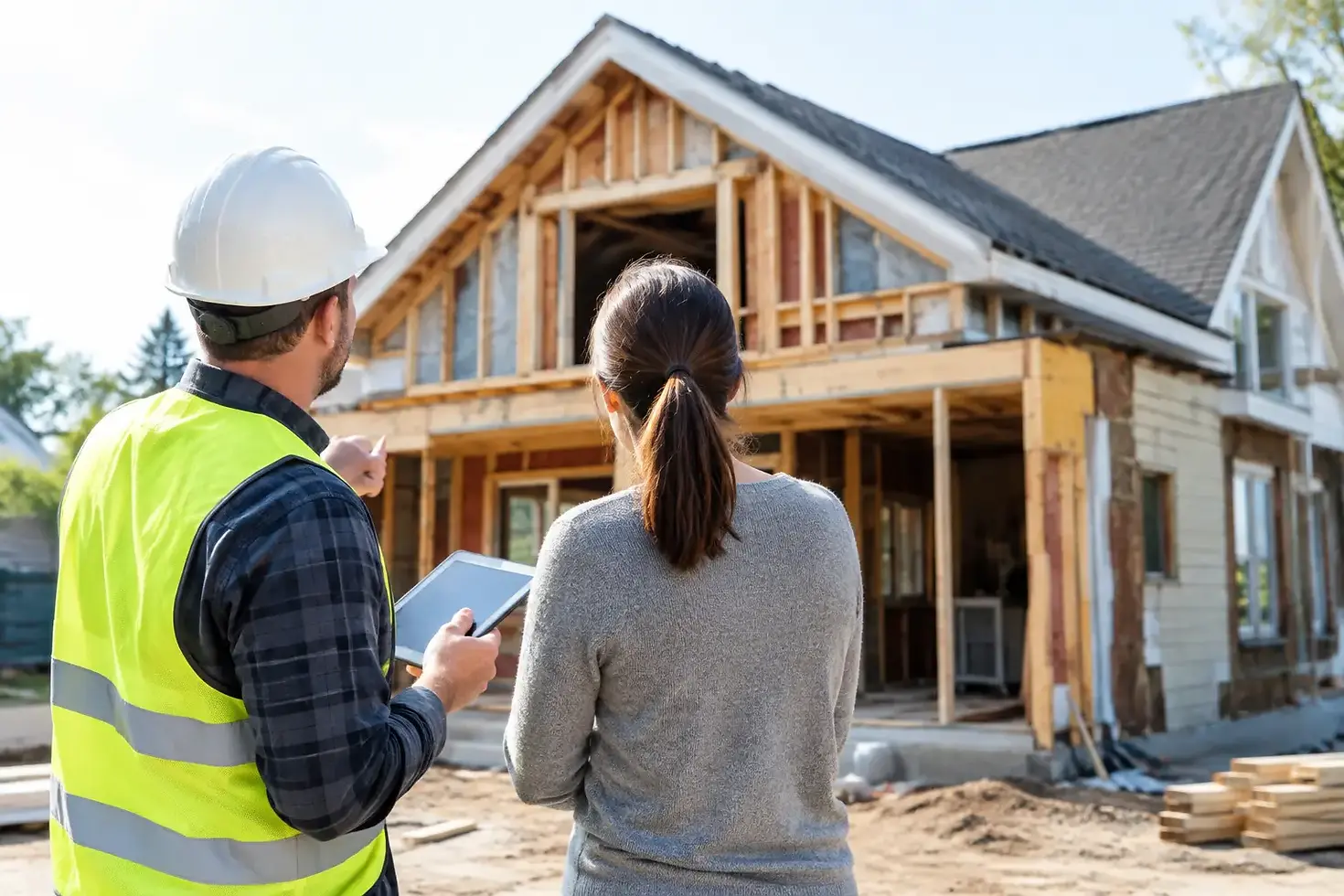
Property Reconstruction After Damage: What Comes Next
A damaged wall, wet flooring, or smoke-stained ceiling can make a property feel unlivable long after the immediate emergency has passed. Property reconstruction is the work that returns those spaces to safe, functional condition after water damage, mold remediation, fire cleanup, or contamination removal. Done correctly, it is not a cosmetic afterthought. It is the final stage of protecting the people who live or work inside the property.
For homeowners, landlords, property managers, and real estate professionals in Ventura, Santa Barbara, and Santa Ynez Counties, the goal is usually clear: get the property back without creating new problems behind the walls, beneath the flooring, or in the air occupants breathe. That requires an organized rebuild based on what was actually damaged, what was removed during remediation, and what the property needs to be safe again.
Property Reconstruction Starts After the Source Is Addressed
Reconstruction should begin after the cause of damage has been identified and controlled. A burst supply line must be repaired. A roof leak must be stopped. Mold-affected materials must be properly removed and the area dried. Fire residue and odor sources must be cleaned before new finishes are installed. Rebuilding too soon can trap moisture, contamination, or odor inside a newly repaired area.
This sequence matters because a room can look restored while hidden conditions continue to cause damage. New drywall over damp framing may eventually stain, soften, or support mold growth. Fresh flooring installed before a concrete slab is dry enough may cup, separate, or fail. A health-first reconstruction plan treats the underlying condition as seriously as the visible repair.
The scope depends on the loss. A small plumbing leak may require limited drywall repair, baseboard replacement, texture matching, and paint. A more extensive water loss may involve insulation, flooring, cabinets, trim, doors, and portions of adjoining rooms. Fire damage can require reconstruction after demolition, smoke cleanup, odor reduction, and removal of compromised materials.
What a Complete Reconstruction Plan Should Cover
A clear scope prevents surprises and helps property owners make sound decisions about timing, budget, and occupancy. Before reconstruction begins, the team should document what remains, what was removed during mitigation, and what must be rebuilt to return the space to its prior function.
Structural and Building Material Repairs
The rebuilding phase may include framing repair, insulation replacement, drywall installation, texture, and paint. If water or fire damage affected the subfloor, roof sheathing, or structural components, those items require careful evaluation before finish work begins.
The objective is not simply to close the wall. It is to restore the wall assembly so it performs as intended. That means selecting appropriate materials, confirming dry conditions, and addressing any damage that could affect stability, insulation, or long-term durability.
Interior Finishes and Functional Spaces
After the building materials are restored, reconstruction often includes flooring, cabinetry, countertops, baseboards, doors, trim, fixtures, and paint. Kitchens and bathrooms require additional coordination because plumbing, electrical work, ventilation, and finished surfaces must come together in the right order.
Matching existing finishes can be straightforward in a newer property with available materials. In an older home, discontinued flooring, faded paint, custom trim, or dated cabinetry may make an exact match difficult. In those cases, the best decision may be to blend repairs into the surrounding area or replace a larger section for a more consistent result. The right choice depends on the condition of the property, the insurance scope, and the owner’s priorities.
Health and Occupancy Considerations
A reconstruction project should also account for how the space will be used. A rental home may need to be returned to safe occupancy promptly. A family may need a plan for living around work areas. A real estate professional may need repairs completed with attention to disclosure, presentation, and transaction deadlines.
When contamination, mold, rodents, birds, or fire residue were involved, the goal is especially clear: rebuild only after affected materials have been removed and the area has been appropriately cleaned. A good reconstruction process supports a healthier indoor environment, not just a better-looking room.
Why One Team From Remediation Through Rebuild Helps
Damage recovery often involves several moving parts: emergency response, moisture control, demolition, cleaning, documentation, estimates, insurance communication, and reconstruction. When these stages are disconnected, information can be lost between contractors. The person rebuilding the room may not know why materials were removed, where moisture was found, or which areas need special attention.
A full-service provider can carry the project from remediation through reconstruction with a consistent understanding of the loss. That can reduce delays, limit unnecessary rework, and give the property owner one accountable point of contact. It also helps ensure reconstruction is based on verified conditions rather than assumptions.
Triton Environmental and Restoration approaches recovery with that continuity in mind. The work begins with protecting the property and the people in it, then moves toward rebuilding the space with attention to safety, function, and the details that make a home or rental property usable again.
There are trade-offs. A single provider may be the most efficient choice when the damage and reconstruction scope are closely connected. For a major remodel beyond the affected areas, an owner may prefer to separate restoration from design-focused renovation. The key is to define the damage-related reconstruction scope clearly before adding elective upgrades.
Insurance, Documentation, and Change Decisions
Property reconstruction is often tied to an insurance claim, but the reconstruction process should remain focused on the actual condition of the property. Detailed documentation of damaged materials, mitigation work, and the proposed rebuild supports clearer communication among the owner, insurer, and contractor.
Insurance generally addresses covered damage and the work needed to restore the property under the policy. It may not cover upgrades, unrelated maintenance issues, or changes made for personal preference. If an owner chooses higher-end flooring, different cabinetry, or a new layout during reconstruction, those costs may fall outside the covered scope.
That does not mean upgrades are a bad idea. Damage recovery can be a practical time to improve an outdated room, replace worn finishes, or make a space easier to maintain. It simply helps to separate restoration work from elective improvements early. That keeps approvals, scheduling, and budgets easier to manage.
Changes should also be discussed before materials are ordered or installed. A seemingly small decision, such as changing flooring type, can affect transitions, door clearances, baseboards, cabinetry, and project timing. Clear communication protects the schedule and helps prevent avoidable costs.
Questions to Ask Before Reconstruction Begins
Before authorizing work, property owners should understand the sequence and scope. Ask whether the source of damage has been corrected, whether affected materials were removed, and whether drying or cleaning has been verified. Ask what will be rebuilt, what materials are proposed, and which finishes may be difficult to match.
It is also wise to ask how the work area will be contained, whether occupants can remain in the property, and what access the crew will need each day. For rental properties, clarify tenant communication and expected milestones. For a home being prepared for sale, discuss how repairs can support the property’s condition and timeline without over-improving beyond the market need.
Trust also matters. Reconstruction crews work inside private homes and occupied properties, often during stressful circumstances. Professional practices, reliable scheduling, and screened employees help owners feel more secure while work is underway.
A Rebuilt Property Should Feel Safe Again
The best reconstruction work does more than make damage disappear from view. It restores the rooms people depend on, protects the building from repeat issues, and supports a healthier place to live, rent, manage, or sell.
If your property has been affected by water, mold, fire, or contamination, do not let the visible repair become the only standard. Ask whether the cause was addressed, whether the space is ready to rebuild, and whether the finished work will serve the property well for years to come. Those questions help turn a difficult loss into a sound recovery.



Comments