

How to Prevent Secondary Damage After Water Loss
A supply line can leak for only a few hours and still create a much larger problem than the puddle on the floor. Water can travel under baseboards, into wall cavities, beneath flooring, and through ceilings before anyone sees it. Knowing how to prevent secondary damage means acting before hidden moisture, contamination, or smoke residue turns an initial loss into a longer, more expensive restoration project.
For homeowners, landlords, property managers, and real estate professionals, the first goal is simple: stop the source, protect people, and begin proper drying or cleanup without delay. The right response can protect occupant health, preserve building materials, and reduce disruption to a sale, lease, or daily life.
What Secondary Damage Means for a Property
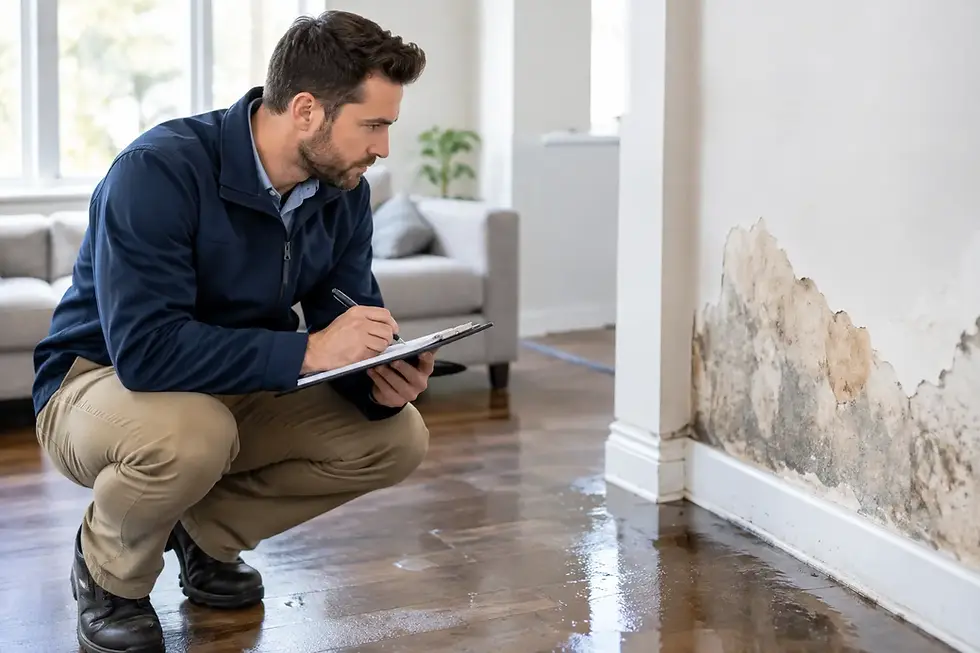
Secondary damage is the harm that develops after the original event. A broken pipe is the primary damage. Wet drywall that swells, flooring that buckles, mold that develops behind a cabinet, and odors that remain after the visible water is gone are secondary damage.
The same pattern applies after other property events. Following a fire, soot can continue to stain surfaces and acidic residues can corrode metal. After rodent or bird activity, contaminated insulation and droppings can spread particles and odors if they are disturbed incorrectly. After a roof leak, moisture may stay trapped in an attic or wall long after the rain has stopped.
This is why a property should not be judged by what is visible on the surface. Dry-looking materials are not always dry materials. A health-focused restoration process identifies where damage has traveled, removes unsafe materials when needed, and addresses the conditions that allow secondary problems to grow.
How to Prevent Secondary Damage in the First 24 Hours
The first day often determines whether a manageable loss stays manageable. Take immediate action, but do not put yourself or occupants at risk.
Stop the source and make the area safe
If a plumbing leak is accessible, shut off the local valve or main water supply. For a roof leak, place a container under active dripping only if it can be done safely, then protect the area from further exposure. Never enter standing water where electricity may be present, and do not handle electrical equipment while wet.
After a fire, do not re-enter the property until authorities say it is safe. After a sewage backup or biohazard event, keep people and pets away from affected areas. Category 3 water, which may contain sewage or other contaminants, requires more than mopping and surface disinfecting. It should be treated as a health and safety concern.
Document conditions before moving too much
Take clear photos and video of the source, affected rooms, damaged belongings, and visible water lines. Record the date and time the loss was discovered. This information can help support insurance communication and establish the scope of the event.
Documentation should not delay emergency mitigation. If water is continuing to spread, prioritize safety and source control. A few quick photos are enough to capture the initial condition before removal and drying begin.
Remove what can be safely protected
Move dry furniture, boxes, area rugs, and personal items away from wet areas when doing so will not spread contamination. Put aluminum foil or blocks under furniture legs to limit staining and transfer from wet carpet. Remove books, paper items, and electronics from damp surfaces promptly.
Do not pull up flooring, open walls, or remove contaminated materials unless you understand what may be behind them. Improper demolition can spread mold spores, sewage contamination, soot, or dust into unaffected rooms. It can also make insurance documentation more difficult.
Begin professional drying and moisture assessment
Fans from a garage and a household dehumidifier may help with a very small, clean spill, but they are not a substitute for controlled drying after a significant leak or flood. Moisture can be trapped in padding, subflooring, insulation, framing, and cabinetry. Drying must match the materials, the amount of water, and the conditions inside the structure.
Professional restoration teams use moisture meters, thermal imaging, air movement, dehumidification, and monitoring to verify progress. The objective is not merely to make a room feel dry. It is to bring affected materials back to an appropriate moisture level before mold, warping, staining, and odor problems take hold.
Do Not Wait for Mold or Odors to Confirm a Problem
Mold can begin growing when moisture remains in building materials, often within 24 to 48 hours under favorable conditions. You may not see it immediately because growth can occur behind walls, beneath flooring, under sinks, or inside attic insulation.
A musty odor, peeling paint, swollen baseboards, warped wood, or a stain that expands after drying are all reasons to investigate further. But waiting for these signs is not a prevention plan. Prompt moisture detection and controlled drying are the better response.
The same principle applies to smoke and water odors. Covering odors with fragrance does not remove the source. Effective odor reduction starts with removing damaged or contaminated materials when necessary, cleaning affected surfaces correctly, and treating the conditions that allow odors to persist.
Prevent Secondary Damage After Fire, Sewage, and Biohazards
Water losses are common, but they are not the only events that require quick mitigation. Each type of loss has different risks and different cleanup requirements.
After a fire
Protect the structure from weather and unauthorized entry as soon as conditions allow. Smoke residues can continue to damage finishes, metals, fabrics, and electronics. Avoid wiping soot with ordinary household cleaners, especially on porous or painted surfaces, because rubbing can drive residue deeper into the material.
Fire suppression water also creates a secondary moisture problem. A complete response addresses both smoke contamination and structural drying. If either is missed, the property may later develop corrosion, staining, mold, or persistent odor.
After sewage or contaminated water
Keep occupants out of the affected area and prevent tracking through the rest of the building. Porous materials such as carpet padding, insulation, untreated drywall, and some upholstered items may not be safely recoverable after sewage exposure. The correct decision depends on the material, level of contamination, and extent of contact.
Cleanup should include containment, removal of affected materials where required, detailed cleaning, disinfection, and drying. Simply spraying disinfectant over a contaminated floor does not address contamination that has moved beneath the surface.
After rodent or bird contamination
Droppings, nesting materials, urine, and damaged insulation can create odor and potential exposure concerns. Do not sweep or vacuum dry droppings, which can send particles into the air. Limit access, avoid disturbing the area, and arrange for appropriate biohazard cleanup.
Attics and crawlspaces deserve special attention because contamination can remain hidden for years. A proper cleanup may include removal of contaminated insulation, detailed treatment of affected surfaces, odor control, and recommendations for sealing entry points so the problem does not return.
Protect the Building While Restoration Is Underway
Secondary damage often occurs when a property is left exposed during the recovery process. If roofing, windows, walls, or doors have been compromised, temporary protection may be needed to prevent wind-driven rain, pests, or unauthorized access.
Maintain reasonable ventilation and stable indoor conditions where possible, but avoid introducing humid outside air into a drying environment. In coastal Ventura and Santa Barbara County, weather and humidity can affect drying decisions. What works for a small clean-water leak in a ventilated room may not work for wet materials inside a closed wall cavity or crawlspace.
Keep records of inspections, drying readings, removed materials, and repair decisions. For rental properties and real estate transactions, clear documentation supports communication with owners, tenants, buyers, insurers, and contractors. It also helps ensure that reconstruction begins only after remediation and drying are complete.
When to Call for Professional Help
A small spill that is cleaned and fully dried right away may be manageable. The situation changes when water has entered walls, flooring, ceilings, insulation, or cabinetry; when the source is unknown; or when contamination, mold, smoke, or structural damage is involved.
Call for professional assessment when there is standing water, a ceiling bulge, sewage exposure, visible mold, a persistent musty or smoke odor, or damage affecting more than a small surface area. Fast action matters most when the property is occupied, when vulnerable individuals may be exposed, or when a tenant, sale, or repair schedule is at stake.
Triton Environmental and Restoration approaches these events as health restoration, not simply surface repair. The right team should be able to assess the loss, contain the affected area, dry or remediate it correctly, protect contents, and coordinate reconstruction when repairs are needed.
A damaged property does not need panic, but it does need a timely decision. Address the source, keep people safe, and verify that the materials behind the visible damage are dry and clean before closing the wall, replacing the floor, or moving forward with repairs.


Comments